Understanding the Mekong Through Science: Youth Explore Water Quality Challenges Across the Basin
Share:
As concerns over water quality continue to emerge in parts of the Mekong and its tributaries, students from across the region are gaining firsthand experience in how scientific monitoring helps support informed decision-making, regional cooperation, and sustainable river management.
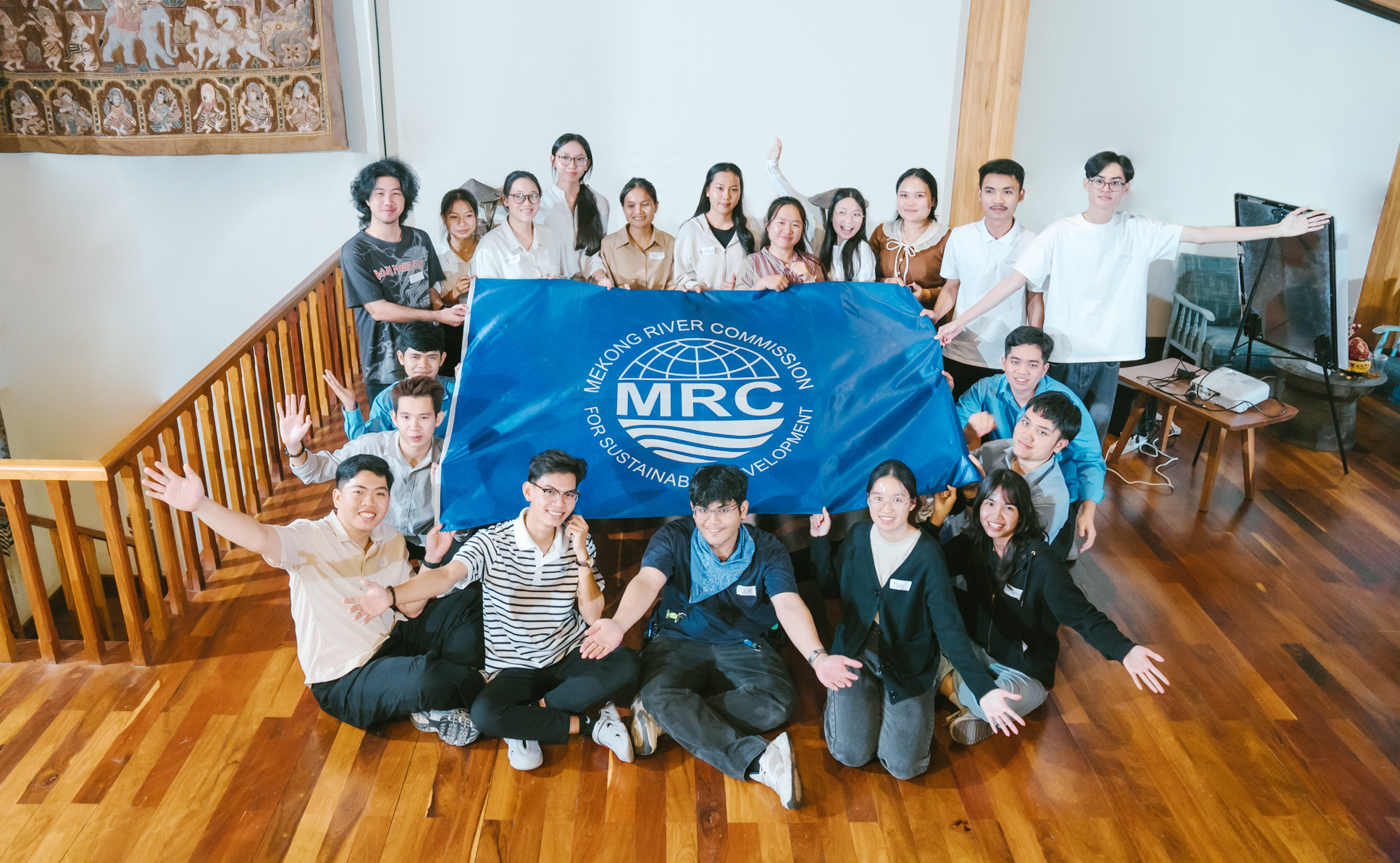
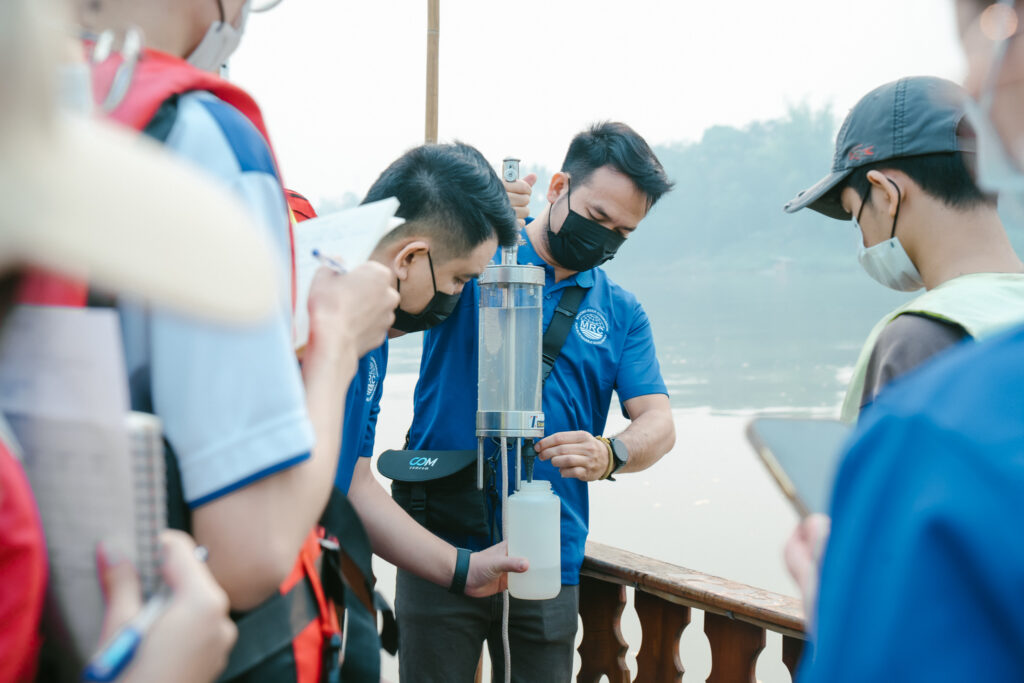
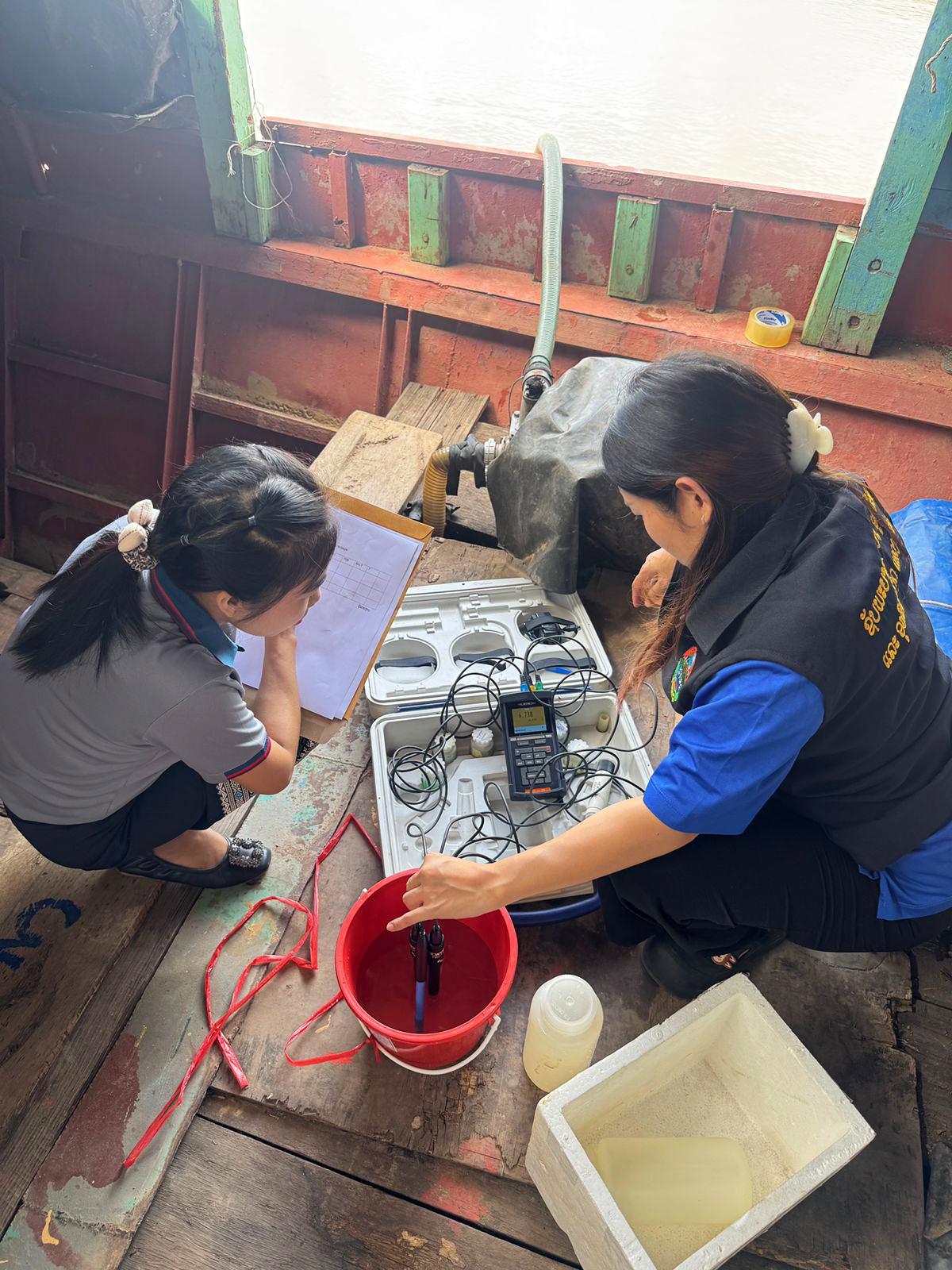
The Mekong River Commission (MRC) launched the Mekong Youth Clean Water Challenge from 31 March to 4 April 2026, bringing together 20 students from Cambodia, Lao PDR, Thailand, and Viet Nam to learn directly from experts and experience how water quality monitoring is conducted in the field and laboratory.
The programme aimed not only to strengthen technical understanding, but also to encourage regional learning and greater awareness of the importance of evidence-based water management.
Learning before entering the field
Students from Cambodia, Lao PDR, Thailand, and Viet Nam began the programme with a full-day workshop, where experts introduced key water quality challenges facing the Mekong Basin and explained how scientific monitoring supports decision-making and river management.
From classroom to river
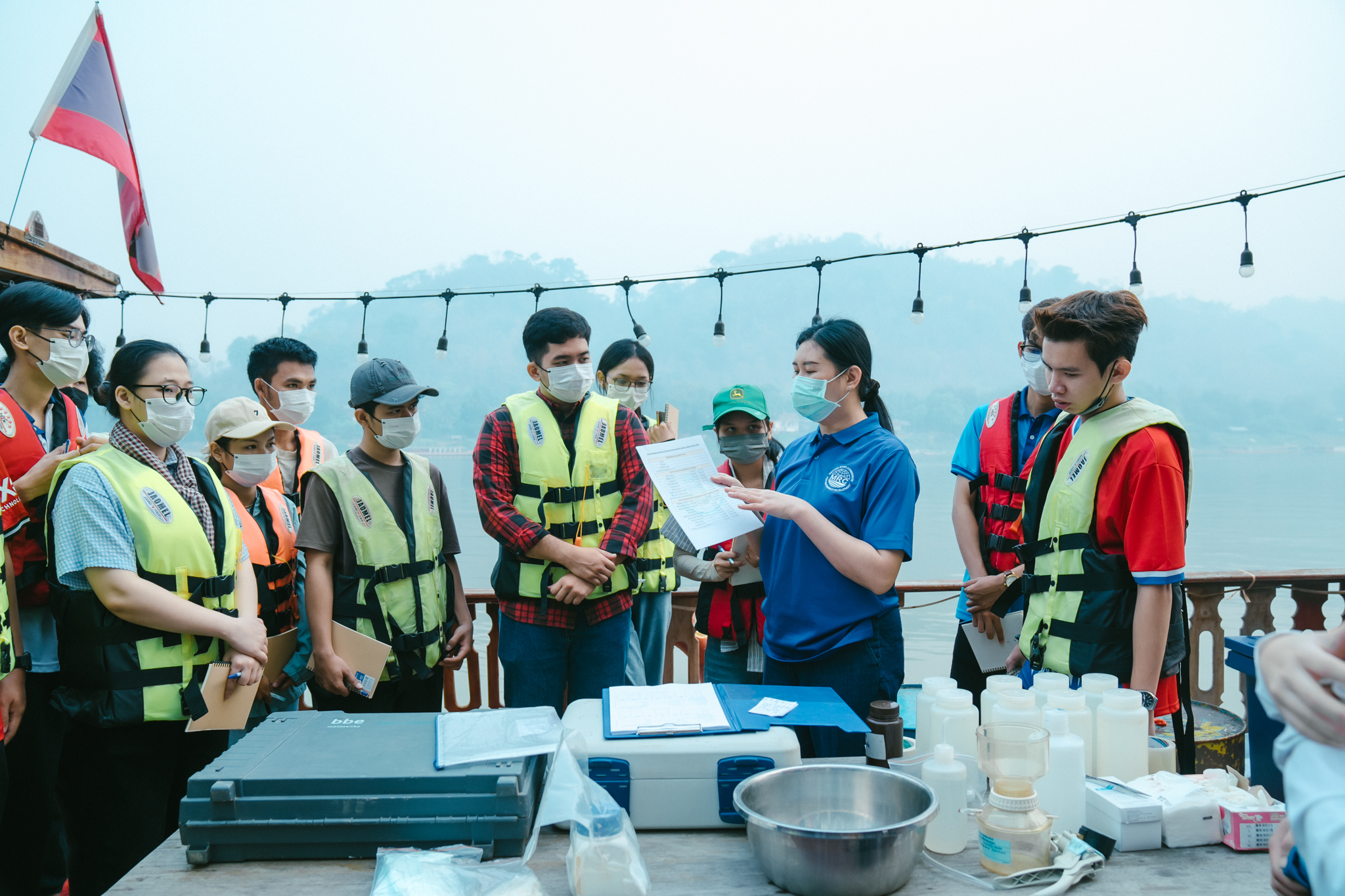
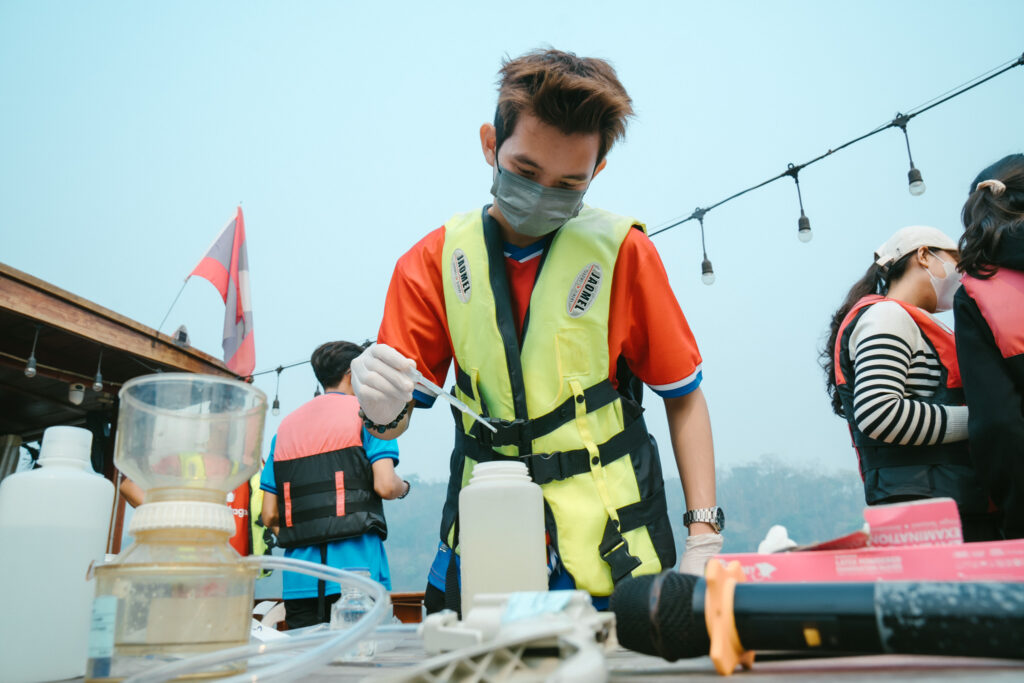
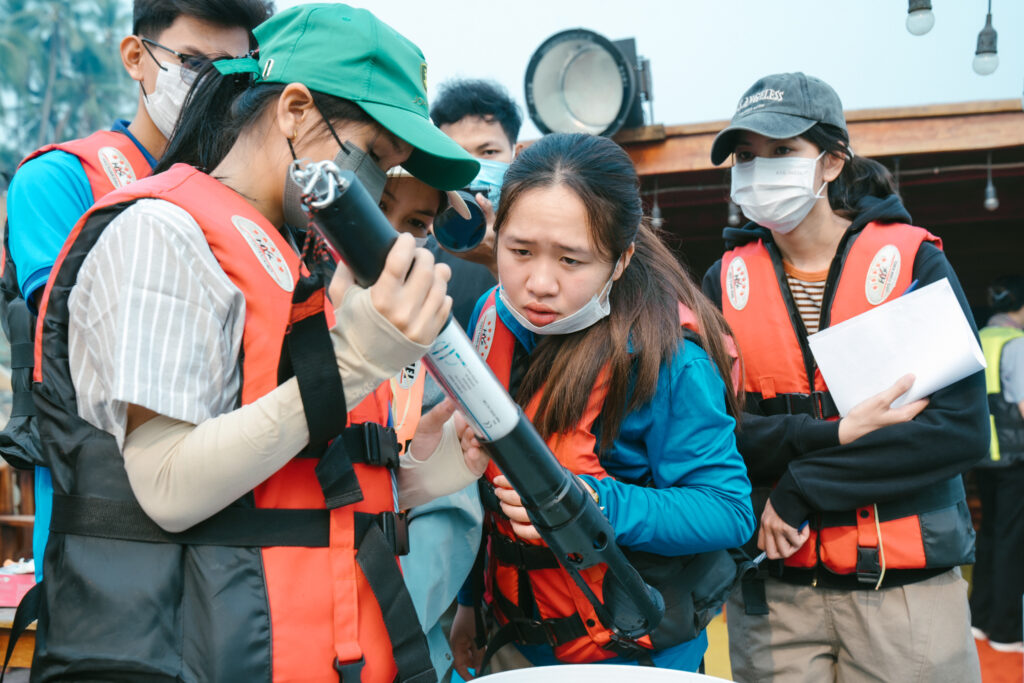
Students travelled on the Namkhan River and the Mekong to collect water samples directly from the river. Working alongside technical experts, the students learned how monitoring is carried out in real conditions and why accurate data matters for communities across the basin. The field session gave students practical experience in collecting, storing, and preparing water samples for laboratory testing, turning theory into real-world practice.
Understanding the river beyond the numbers
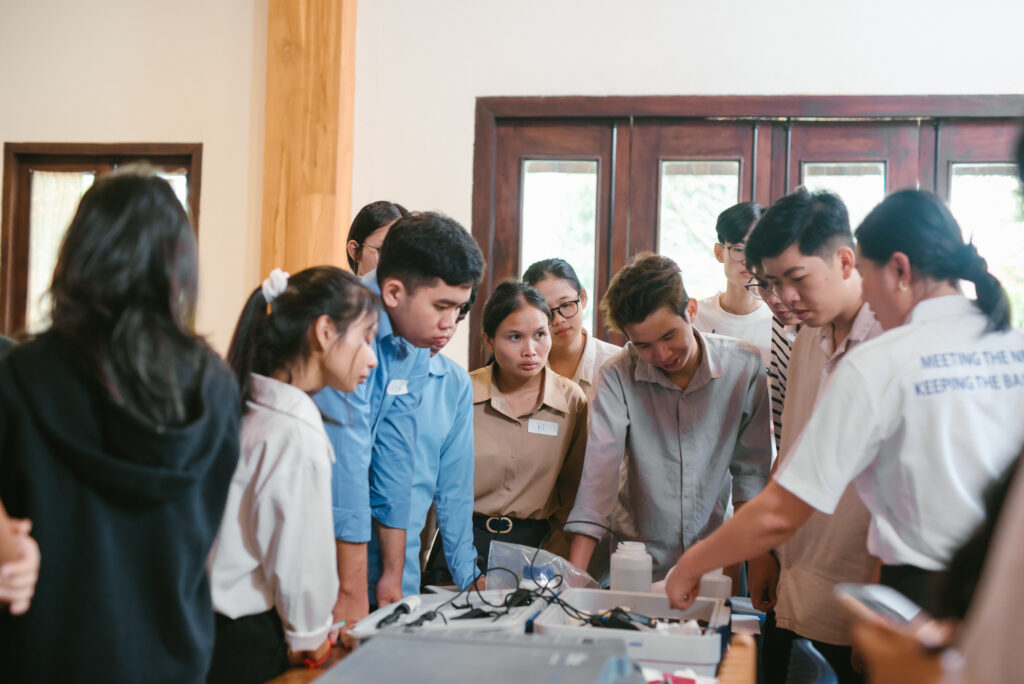
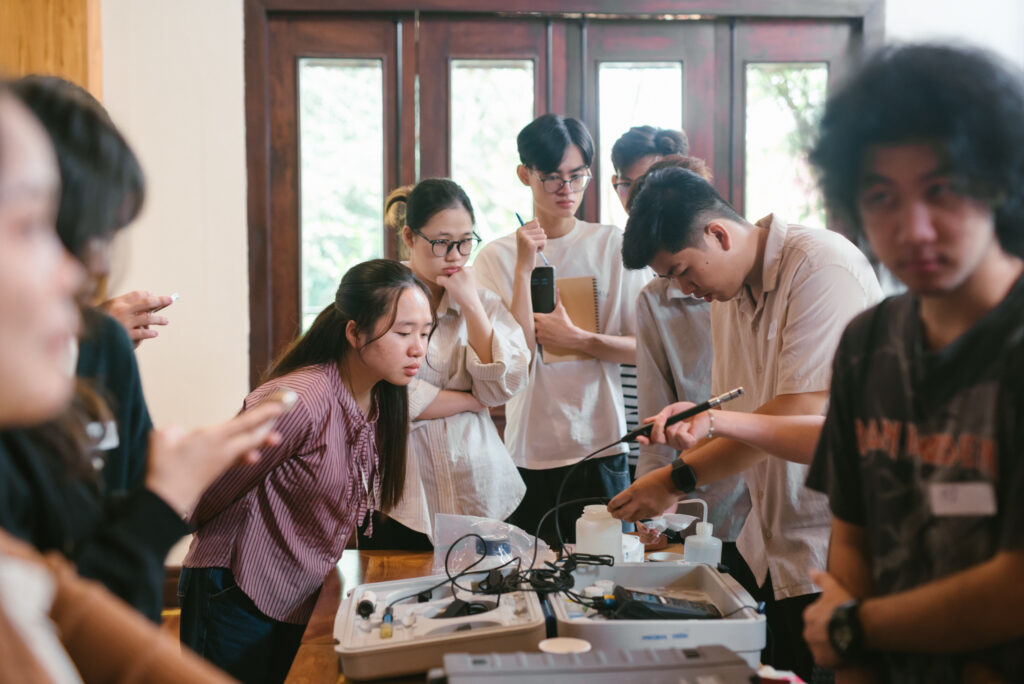
The collected samples were later transported to the BEI Laboratory, where students observed how scientists analyse water quality and assess river conditions using laboratory equipment and scientific methods. For the students, the experience revealed that water quality is not only measured through scientific numbers, but through its impact on fisheries, food security, livelihoods, ecosystems, and the future resilience of communities throughout the basin.
From river samples to regional voices
What began with water samples collected along the river ended on the Mekong Day stage, where students transformed scientific findings into powerful ideas for the future of the Mekong.
Drawing from their fieldwork and laboratory experience, the young participants presented bold and practical solutions on water quality, pollution, and community awareness, showing that the next generation is not only learning about the Mekong’s challenges, but is also ready to become part of the solution.
Former Chief Executive Officer (CEO) of the Mekong River Commission (MRC) Secretariat
“From 1995 to 1999, Mr. Yasunobu Matoba, a Japanese national, was appointed as the CEO of the MRC Secretariat.
Mr. Yasunobu has an extensive career in agricultural and irrigation with various roles ranging from project planning, implementation, and supervision to personnel administration. He has worked in Africa, Asia, and the Middle East.”
Prior to his tenure at the MRC Secretariat, he held the position of Director at the Construction Department, Ministry of Agriculture, Forestry, and Fisheries (MAFF), where he oversaw various agricultural projects, including those for agricultural production, land and water resource conservation, and the maintenance of water and land use facilities.
Before that, he held several key positions, including Director of the Overseas Operations Department at the Japan Agricultural Land Development Agency (JALDA) in 1992-1993, Director of the Planning
Department at the Hokuriku Regional Agricultural Administration Bureau from 1990 to 1992, and Deputy Director in the Agricultural Administration Department of Kumamoto Prefecture from 1988 to 1990, where he managed land improvement projects.
In terms of education, Yasunobu holds a Bachelor of Agriculture in irrigation, drainage, and reclamation engineering, and rural planning from the University of Tokyo, which he obtained in 1967.
Dr. Olivier Cogels
Former Chief Executive Officer (CEO) of the Mekong River Commission (MRC) Secretariat
“From 2004 to 2007, Dr.Cogels, a Belgian national, served as the CEO of the MRC Secretariat. Dr.Cogels‘ tenure as the CEO of the MRC Secretariat led the organization to substantial progress. He guided the MRC toward becoming an international river basin organization focused on developing its water resources for the economic benefit of the people and countries involved. This approach fostered improved cooperation with China and enhanced the MRC’s influence in the region. Under his leadership, the MRCS developed a more coordinated program structure, formulated an ambitious strategic plan, and introduced the concept of the Mekong Programme to the region – a development program owned by the member countries, which bolstered the MRC’s involvement with other regional initiatives.”
Before assuming the role of CEO at the MRC, Dr. Cogels held the position of Programme Director of the International Program on Technology and Research in Irrigation and Drainage at the Food and Agriculture Organisation in Rome, Italy.
Prior to that, he had worked with organizations such as the European Commission, the Organisation for Economic Co-operation and Development (OECD), UNESCO, the World Bank, and the European Space Agency.
Educationally, Dr. Cogels holds a Master of Science in Land and Water Engineering and a PhD in Hydrodynamics and Water Resources Management from the Catholic University of Louvain, Belgium, where he also served as a Professor. He also completed a post-doctorate at the University of California, Davis.
Mr. Kristensen Joern
Former Chief Executive Officer (CEO) of the Mekong River Commission (MRC) Secretariat
“From 1999 to 2003, Mr. Kristensen, a Danish national, was appointed the CEO of the MRC Secretariat.
Before his tenure at the MRCS, he served as a Senior Programme Manager for the Eastern Europe, South and Eastern Asia, and the Pacific Operations Branch at UNDCP HQ in Vienna, Austria. In this role, he led efforts to secure EU funding, established a partnership between UNDCP and the EU for major drug-law enforcement in Southeastern Europe, and engaged in strategic planning for the elimination of opium poppy cultivation in Myanmar. Educationally, Mr. Kistensen holds a Bachelor of Arts degree in Social Science from the University of Odense, Denmark, which he obtained in 1972. He also pursued postgraduate courses in Administration and Human Resources Management at the Institute of Public Management in Copenhagen, Denmark, in 1984.”
Prior to that, he held the role of Country Director for UNDCP in two challenging environments: Vietnam from 1994 to 1997 and Myanmar from 1991 to 1994. In this role, he developed comprehensive drug control policies, facilitated cooperation among UN agencies, and raised significant funds – between US$6,000,000 and $7,000,000 – for key projects.
Before this, he was the Regional Director for the Danish Refugee Council in Denmark. He was entrusted with the reception, resettlement, and social integration of refugees (500 to 800 persons at any given time). He managed around 60 staff members and built extensive liaisons and cooperation with various groups.
Mr. Jeremy Douglas BIRD
Former Chief Executive Officer (CEO) of the Mekong River Commission (MRC) Secretariat
“From 2008 to 2011, Mr. Jeremy, a British national, was appointed as the CEO of the MRC Secretariat.
Mr. Jeremy combines his experience at the strategy and policy level with a solid practical background across multiple facets of water resources, including regulatory processes, conceptual design of water resources infrastructure, river basin management, irrigation, disaster risk management, knowledge generation, development finance, and stakeholder engagement.”
Mr. Jeremy’s tenure as the CEO of the MRC Secretariat was marked by significant responsibilities and accomplishments, such as developing an Integrated Water Resources Management (IWRM) Strategy for the Basin and organizing the First MRC Summit of Prime Ministers in 2010, which raised the profile of the MRC and provided a high level of oversight for its activities. He also developed closer relations with China, formulated the MRC Climate Change and Adaptation Initiative, and represented the MRC at numerous international conferences and meetings. His successful negotiations among member countries resulted in a permanent location for the Secretariat and administrative arrangements for establishing a co-hosted headquarters. Mr. Jeremy’s tenure saw the implementation of institutional and administrative reforms and a new direction for the 5-year strategy for the MRC, focusing on the core functions of river basin management.
Before taking office as CEO, Mr. Jeremy worked as an Independent Water Resources Advisor from 2003 to 2008, providing consulting services on water resources management to various organizations, such as the Asian Development Bank, European Investment Bank, and the World Wide Fund for Nature.
Prior to that, he served as a Coordinator and Team Leader for the Dams and Development Project (DDP) at the United Nations Environment Programme, which aimed to promote dialogue for improved decision-making in water resources infrastructure. He coordinated national multi-stakeholder processes to identify priority issues for policy reform in South Africa, Nepal, Thailand, and Viet Nam, involving numerous stakeholders. Moreover, he expanded their stakeholder forum to include over 100 diverse organizations, initiated dialogue with Chinese agencies, and organized international meetings.
Mr. Hans Joakim GUTTMAN
Former Chief Executive Officer (CEO) of the Mekong River Commission (MRC) Secretariat
“From 2011 to 2015, Mr. Hans, a Swedish national, was appointed the CEO of the MRC Secretariat.
With his expertise as coordinator/manager and rich experience with over 18 years in the field of water resources development and management for sustainable rural development. He is no stranger to the MRC or its vision, having served as the head of the Environment Programme for six years from 2001-2007. His extensive technical expertise and inside knowledge gained from living in the region for almost two decades enabled him to lead the MRC during a period of change and growth within the MRC.”
Before taking office as CEO, Mr. Hans held the position of Coordinator for the Wetlands Alliance (WA) Programme at the Asian Institute of Technology, Bangkok, Thailand, where he led the strategic development by securing funding for WA, and guided nearly 50 local government agencies and NGOs. He ensured these agencies received implementation support and contributed to the broader goals of the Alliance. Prior to that, he served as the Head of the Environmental Programme at the MRC Secretariat for six years, from 2001 to 2007. There, he oversaw a US$2 million annual budget for the programme, coordinated with National Mekong Committees (NMCs) and other relevant national agencies, and advised senior management on environmental matters while representing the MRC in these areas.
Prior to his tenure at the MRC, he served as a Programme Specialist at the Asian Institute of Technology, Thailand, where he managed rice field fisheries and other aquatic resource issues in Laos, Thailand, Vietnam, and Cambodia. He raised awareness about the importance of these resources, built capacity to manage them, and developed strategies for sustainable use.
Before this, he was a Special Advisor at Tha-Ngone Aquaculture Development (TAD) in Vientiane, Laos. He assisted the manager in running a fish farm with over 30 employees, by planning, training, and managing fish and prawn production. He also helped improve the administrative section’s work.
Academically, Mr. Hans holds a Master of Science in Aquaculture from the Asian Institute of Technology, Thailand, where he was recognized for his thesis specialization in water quality, and a Bachelor’s degree in Marine Biology/Geography from James Cook University in North Queensland, Australia.
Scroll
Mr. Pham Tuan Phan
First Riparian Chief Executive Officer (CEO) of the Mekong River Commission (MRC) Secretariat
“From 2016 to 2019, Mr. Pham, a Vietnamese national and Mekong citizen, was appointed the CEO of the MRCS.
Before his tenure at the MRCS, Mr. Pham served as the CEO of a software development company in Vietnam for eight years, during which he expanded the company from a one-person operation to employing over 40 individuals.”
Prior to that, he held senior positions at Vietnam’s largest information technology company for three years. Preceding his time in Vietnam, from 2001 to 2004, Mr. Pham worked at the United Nations (UN) Secretariat in New York, USA, within the Department of Economic and Social Affairs. During his four-year stint, he conducted numerous missions to UN member states, focusing on economic and social affairs. Notably, he spearheaded the implementation of the Integrated Management Information System service in 2000, which facilitated the deployment of the Enterprise Resource Planning system across the entire UN network worldwide.
Before his UN tenure, Mr. Pham led the infrastructure and communications section at the Comprehensive Nuclear-Test-Ban Treaty Organization in Vienna, Austria, from 1997 to 2000. His efforts led to the establishment of a groundbreaking global communications network, enabling the collection of monitoring data from 321 stations worldwide, including 13 in China. This network, initiated with a US$78-million contract, remains operational to this day. Mr. Pham’s career trajectory began with the International Atomic Energy Agency (IAEA) junior professional program in 1984, culminating in his rise to a directorial position at the UN in 2000. Notably, both the IAEA and the UN Secretariat received Nobel Prizes during Mr. Pham’s tenure, with the IAEA being recognized as one of the best-run UN organizations.
Educationally, Mr. Pham holds a degree in nuclear instrumentation from Belarus State University, former Soviet Union, earned in 1982. He also completed core courses for a Master of Business Administration from the UK Open University at Milton Keynes in 2000
Dr. An Pich Hatda
Former Chief Executive Officer (CEO) of the Mekong River Commission (MRC) Secretariat
“From 2019 to 2021, Dr. Hatda, a Cambodian national, was appointed as the 2nd riparian CEO of the MRCS.
Dr. An is an accomplished leader with a great mix of leadership, inspiration, operational experience, technical breadth, and passion for a better Mekong, a track record of achievements having held various high-profile positions with Mekong related bodies over the past 20 years. ”
Before taking the office as CEO Dr. Hatda served as director of Planning Division at the secretariat, where he led a multi-disciplinary team of different nationalities and expertise to deliver strategic outputs to the MRC’s Strategic Plan 2016-2020. He successfully completed the Prior Consultation process and Joint Action Plan for the Pak Beng hydropower project which gained him of trust from the first riparian CEO for being strategic, structured, results-oriented and neutral team player and leader.
Prior to that, He worked as Operation Manager with the Regional Flood Management and Mitigation Center and National Specialist with the Basin Development Plan Program. He also served as Deputy Secretary General for 6 years at the Cambodia National Mekong Committee and Alternate JC Member for Cambodia.
Dr. Hatda holds a PhD in Development Studies from the University of Tokyo, Japan, and a Master of Science in Agricultural Planning and Management from the Asian Institute of Technology, Thailand. He obtains a Bachelor’s degree in Agriculture from the Royal University of Agriculture, Cambodia.