MRC Steps Up Regional Action as Monitoring Highlights Localised Arsenic Concerns
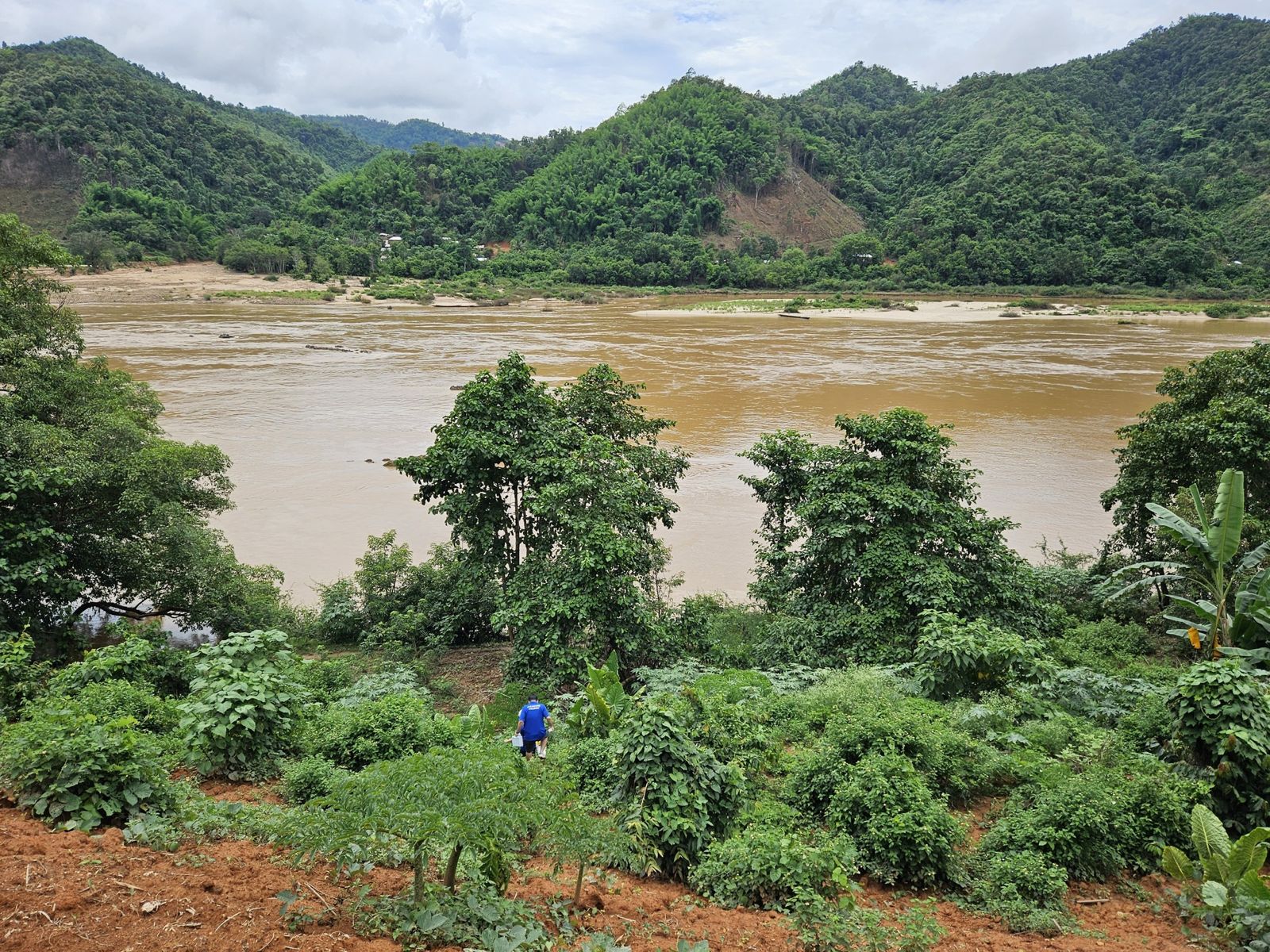
Vientiane, Lao PDR, 29 April 2026 – The Mekong River Commission (MRC) is strengthening regional monitoring and cooperation following the latest assessment of water and sediment quality in the Kok-Sai-Ruak-Mekong river system.
Recent monitoring data, collected by Thailand’s Pollution Control Department and shared with the MRC Secretariat through the Thai National Mekong Committee, show a continuing pattern of arsenic contamination. The findings, based on monitoring rounds conducted between February and March 2026, point to impacts in parts of the Kok, Sai, Ruak, and Mekong rivers.
While arsenic levels in water are slightly above the standard threshold of 0.01 mg/L, sediment samples reveal more serious concerns. Some locations, especially along the Kok River in Chiang Mai and Chiang Rai sections, Sai and Ruak Rivers, and all three monitored stations along the Mekong in Chiang Rai, where concentrations exceed hazardous levels under Thailand’s standard guidelines.
Most heavy metals tested in water, including cadmium, copper, nickel, chromium, zinc, and mercury, remain within normal water quality standards.
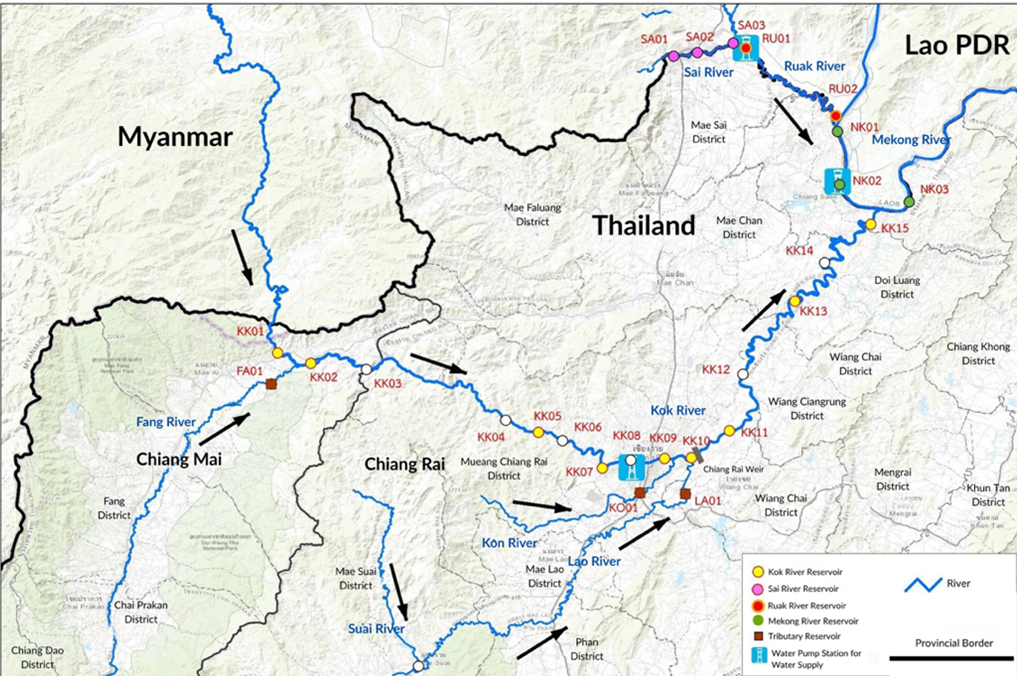
Arsenic contamination remains localised but requires sustained attention due to its persistence in both water and sediment. Seasonal changes, including rainfall, river flow, and sediment movement, are likely influencing how contamination spreads and accumulates.
In response, the MRC and its Member Countries – Cambodia, Lao PDR, Thailand, and Viet Nam – are stepping up coordinated actions through its mandate under the MRC Procedures for Water Quality to address the issue and protect communities that depend on the river. Following the Regional Meeting in Chiang Rai on 21 July 2025, several key initiatives have been undertaken.
A CSO Roundtable was held on 20 August 2025 focusing on the Kok River’s water quality and its potential impacts on the Mekong River, which provided a platform for open dialogue and strengthened engagement. On 8 December 2025, a Regional Consultation Meeting on Water Quality Emergency Response and Management (WQERM) was held in Vang Vieng, Lao PDR, enhancing coordination among Member Countries in responding to transboundary water quality challenges. The MRC has fostered cooperation with Myanmar on joint monitoring and assessment since May 2025, with Myanmar responding subsequently in January 2026 that it will work closely with Thailand while welcoming MRC technical support.
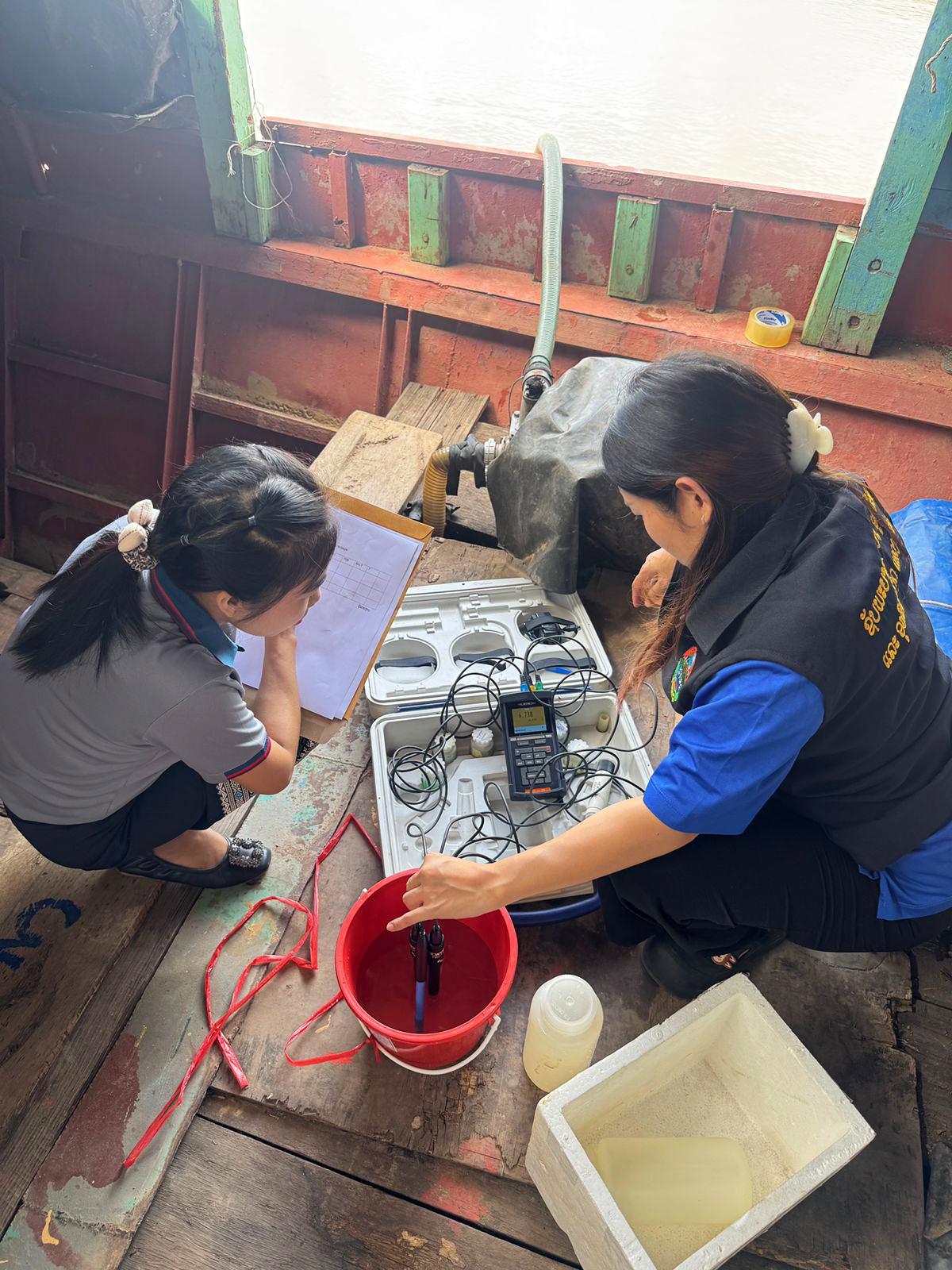
The MRC Secretariat has been working closely with national agencies to intensify monitoring efforts, particularly in affected and downstream areas such as northern Lao PDR, including Bokeo and Luang Prabang. Arsenic monitoring has been conducted twice per month in Luang Prabang since July 2025 and in Bokeo since October 2025.
In Bokeo, arsenic concentrations exceeded the standard limit once on 6 February 2026, indicating the recurrence of contamination after the previous assessment on 11 June 2025. Following this spike, additional testing was conducted on 23 February, 8 March, and 24 March 2026, all of which showed that arsenic levels had declined and returned to within the standard limits (Figure 2).
In Luang Prabang, arsenic concentrations have consistently remained below the standard limit of 0.01 mg/L throughout the monitoring period (Figure 3), indicating that the contamination has not spread further downstream.
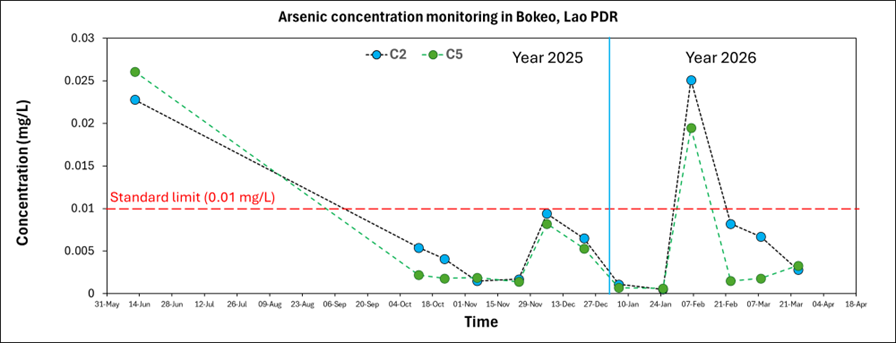
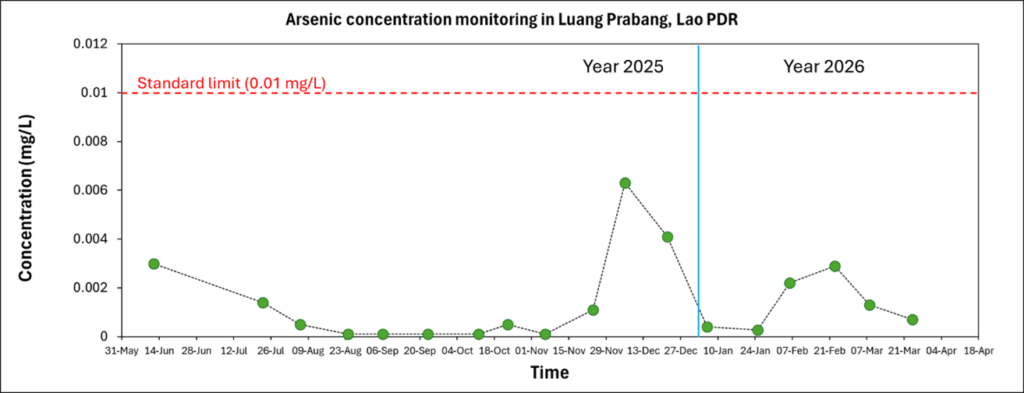
Figure 3. Arsenic concentration monitoring in Luang Prabang Province, Lao PDR.At the same time, the MRC is strengthening regional data sharing and transparency. Thailand continues to provide regular monitoring updates, while the MRC integrates and disseminates this information through its regional systems to support timely decision-making across borders.
To build a stronger scientific foundation, the MRC is launching regional monitoring programmes on heavy metals for the period 2026-2028, with support from Development Partners including Japan and the United Kingdom. These programmes aim to establish reliable baseline data, track long-term trends, and improve consistency in monitoring across the Mekong Basin. The data will support evidence-based management, strengthen national capacities, and guide mitigation measures where needed.
The MRC Secretariat will continue to closely monitor the situation and provide regular updates, while supporting Member Countries in protecting ecosystems, livelihoods, and public health across the Mekong River Basin.
About the Mekong River Commission
The MRC is an intergovernmental organisation established in 1995 to boost regional dialogue and cooperation in the Lower Mekong River Basin. Based on the Mekong Agreement among Cambodia, Lao PDR, Thailand, and Viet Nam, the MRC serves as both a regional platform for water diplomacy and a knowledge hub – to manage water resources and support sustainable development of the region.
Over the years, the MRC and its Member Countries have developed five sets of procedures and related technical guidelines. Among them, the Technical Guideline on the Implementation of the Procedures for Water Quality provide a practical framework for countries to monitor, assess, and manage water quality across the basin. The guidelines outline common methods, standards, and reporting approaches to ensure that data is consistent and comparable between countries. They also support early detection of water quality issues and help guide coordinated responses to protect ecosytems, livelihoods, and public health.
-END-
For more information, please contact:
Ms. MAO Chandaly
Communications Officer for Press
Mekong River Commission Secretariat
Email: chandaly@mrcmekong.org