MRC endorses new Strategic Plan 2026-2030, marking a shift toward impact-focused basin management
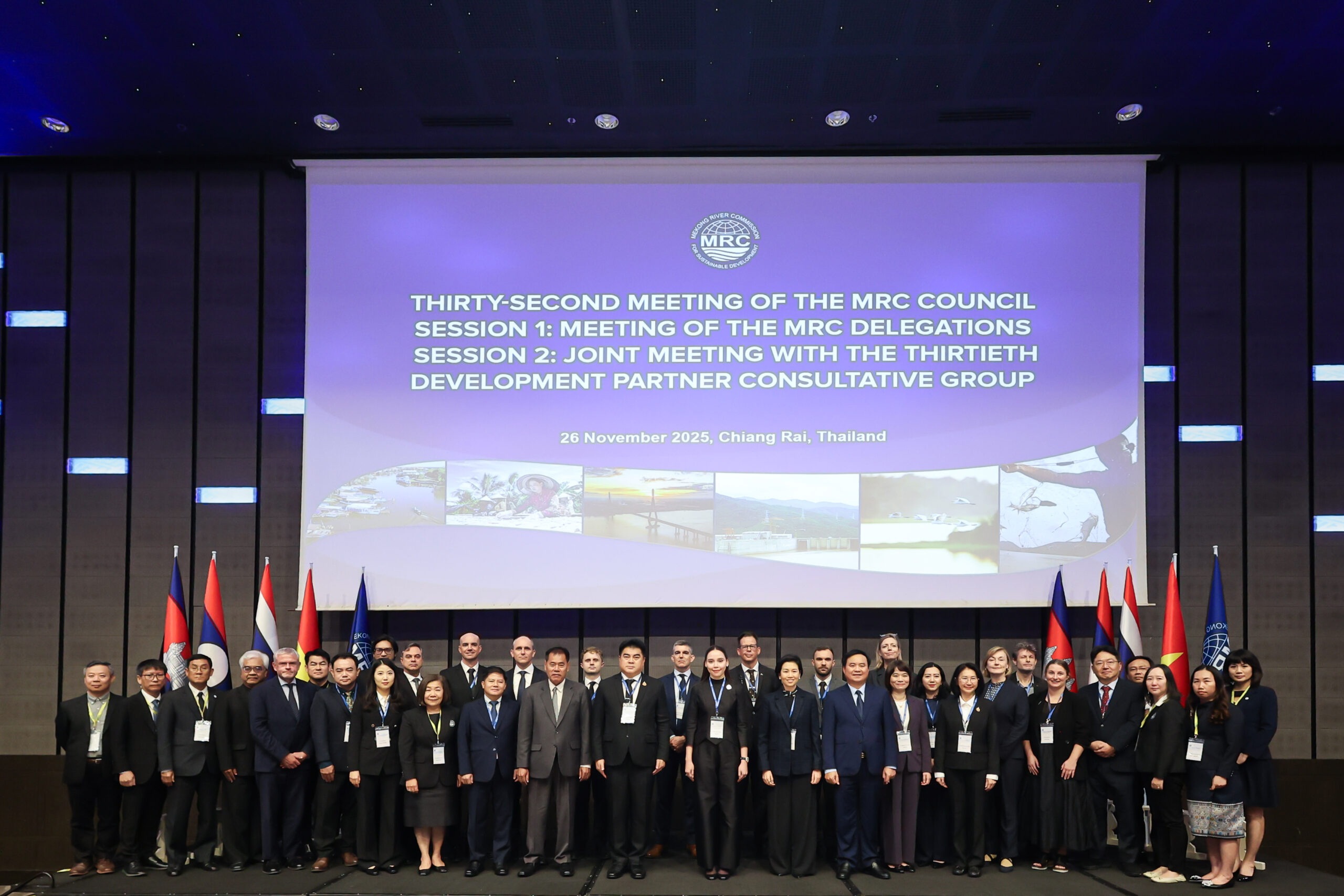
Chiang Rai, Thailand, 29 November 2025 – The Mekong River Commission (MRC) Council has officially endorsed the MRC Strategic Plan 2026-2030, setting a stronger direction for joint water governance, proactive monitoring, and regional cooperation across the Mekong Basin.
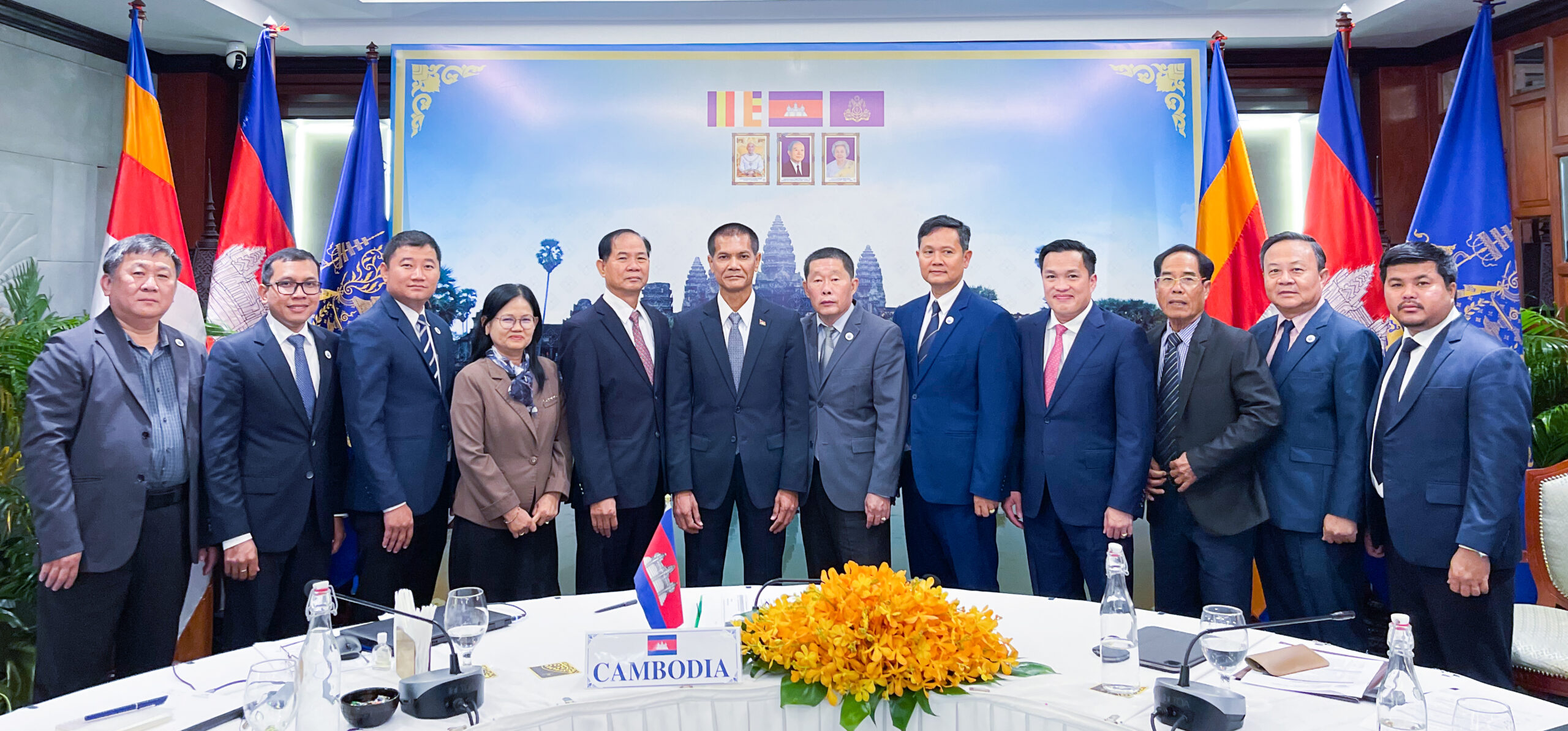
This year’s Council Meeting was held in Chiang Rai to mark a significant milestone: 30 years since the signing of the 1995 Mekong Agreement in the same province. The meeting was chaired by Thailand’s Minister of Culture, H.E. Ms. Sabida Thaiseth, a designated representative of the Minister attached to the Prime Minister’s Office, as a Chairperson of the MRC Council for 2025, with representatives from Cambodia, Lao PDR, and Viet Nam, joining both in person and online. The endorsement of the new Strategic Plan adds momentum to three decades of cooperation built on the principles of shared responsibility, data-driven decision-making, and mutual benefit.
The Strategic Plan 2026-2030 prioritises impact-driven actions that support countries in making informed, coordinated decisions about the shared river system. It responds to emerging challenges such as climate variability, extreme events, ecosystem degradation, and growing water-food-energy needs in the basin.
Building on the progress of the current Strategic Plan, the 2026-2030 plan reinforces the MRC’s role and commitment to delivering the Basin Development Plan (BDS) 2021-2030. It advances the BDS Strategic Priorities through five core areas:
- Strengthening institutional foundations and governance
- Enhancing data, monitoring, and predictive capabilities for decision support
- Advancing coordinated river basin management operations
- Delivering tangible benefits though significant transboundary projects with community impact
- Leveraging partnerships and expanding knowledge exchange
Across these areas, the new strategic plan focuses on improving mutual accountability at both regional and national levels and ensure that data, analysis, and decision-support tools translate into tangible improvements for basin communities. One of key elements of this shift includes the use of the MRC Procedures to enable more active and coordinated flow management along the Mekong. The plan also introduces a stronger results-based implementation framework for actions under Joint Action Plans. A priority under the plan is improving spatially relevant risk forecasting and enhancing targeted monitoring to link real-time conditions with planning and management decisions that all countries can jointly address.
By endorsing the plan, the Council reaffirmed the Member Countries’ commitment to collaborative, science-based water governance and to enhancing resilience for the more than 70 million people who depend on the Mekong.
The Strategic Plan 2026-2030 will guide the MRC’s work over the next five years and serve as a shared framework for delivering sustainable development, safeguarding ecosystems, and promoting regional stability and prosperity.
About the Mekong River Commission
The MRC is an intergovernmental organisation established in 1995 to boost regional dialogue and cooperation in the Lower Mekong River Basin. Based on the Mekong Agreement among Cambodia, Lao PDR, Thailand, and Viet Nam, the MRC serves as both a regional platform for water diplomacy and a knowledge hub – to manage water resources and support sustainable development of the region.
-END-
For more information, please contact:
Ms. MAO Chandaly
Communications Officer for Press
Mekong River Commission Secretariat
Email: chandaly@mrcmekong.org